If you’ve ever dreamed of earning what you’re truly worth, commission based sales jobs might be your golden ticket. These roles reward performance, offer uncapped income, and put you in control of your financial destiny—no cap, no ceiling.
What Are Commission Based Sales Jobs?

Commission based sales jobs are positions where a significant portion—or all—of a worker’s income comes from commissions earned through sales. Unlike traditional salaried roles, these jobs tie earnings directly to performance, making them ideal for self-motivated individuals who thrive on results.



How Commission Structures Work
At the core of every commission based sales job is the compensation model. Typically, employees earn a base salary (in some cases none) plus a percentage of each sale they close. This percentage can vary widely depending on the industry, product value, and company policy.
- Base + Commission: A hybrid model offering stability with upside potential.
- 100% Commission: High risk, high reward—earnings depend entirely on sales volume.
- Residual Commissions: Ongoing payments for recurring services or subscriptions sold.
For example, a real estate agent might earn 3% on every home sold, while a software sales rep could receive 10% of the annual contract value. Understanding how your commission is calculated is crucial to maximizing income in these roles.
Industries That Rely on Commission Based Sales Jobs
Commission based sales jobs are not limited to one sector—they span across numerous high-growth industries. Some of the most prominent include:
- Real Estate: Agents earn commissions from property sales, often split between buyer and seller sides.
- Tech & SaaS: Sales professionals sell software subscriptions and earn recurring commissions.
- Automotive: Car salespeople are typically paid per vehicle sold, with bonuses for volume.
- Insurance: Agents receive commissions for policies sold, sometimes with renewals.
- Direct Sales & MLM: Companies like Amway or Mary Kay operate on full-commission models.
According to the U.S. Bureau of Labor Statistics, sales occupations are projected to grow 4% from 2022 to 2032, faster than average, with many roles being commission-driven.
Pros and Cons of Commission Based Income
While the allure of unlimited earnings is strong, commission based sales jobs come with trade-offs. Let’s break down the advantages and challenges.
- Pros: Uncapped earning potential, performance-based rewards, flexibility, entrepreneurial experience.
- Cons: Income instability, high pressure, lack of benefits in pure commission roles, inconsistent workload.
“In commission based sales jobs, your income isn’t limited by a paycheck—it’s limited only by your effort and strategy.” — Sales Trainer, Marcus Lee
For those who excel under pressure and enjoy autonomy, the pros often outweigh the cons. However, it’s essential to assess personal risk tolerance before diving in.
Top 5 Industries Dominated by Commission Based Sales Jobs
Not all industries treat commission based sales jobs the same way. Some have built their entire business models around performance-driven pay. Let’s explore the top five sectors where commission rules the payroll.
1. Real Estate Sales
Real estate is perhaps the most iconic example of commission based sales jobs. Agents typically earn 2–3% of the sale price of a home, split between the listing and buyer’s agent.
- High-ticket items mean big commissions per sale.
- No base salary in most independent brokerages.
- Requires licensing and ongoing education.
While one successful sale can net thousands, slow months can be financially stressful. The National Association of Realtors reports that the median home price in the U.S. was over $410,000 in 2023, meaning a 2.5% commission could yield $10,250 per transaction (split between agents).
2. Technology and Software Sales (SaaS)
The tech industry has embraced commission based sales jobs, especially in Software-as-a-Service (SaaS) companies. Sales reps sell cloud-based solutions with recurring revenue models.
- Commissions are often based on Annual Contract Value (ACV).
- Residual income from renewals incentivizes long-term client relationships.
- High earning potential with enterprise deals.
A sales executive closing a $100,000 annual contract at 10% commission earns $10,000 upfront—plus a percentage on renewals. Platforms like Salesforce and HubSpot rely heavily on such models.
3. Automotive Sales
Car dealerships are classic hubs for commission based sales jobs. Salespeople earn per vehicle sold, with additional bonuses for financing, warranties, and high-margin add-ons.
- Earnings fluctuate based on inventory, seasonality, and consumer demand.
- High-pressure environment with daily sales targets.
- Some dealers offer draw accounts (advance against future commissions).
While the average car sale might yield $300–$500 in commission, luxury vehicles or fleet sales can generate much higher payouts. However, job turnover is high due to stress and income inconsistency.
4. Insurance and Financial Services
Insurance agents and financial advisors often work on commission, earning fees for selling life, health, auto, or investment products.
- Commissions can be front-loaded (paid at sale) or trailing (recurring).
- Licensing is required (e.g., Series 6, 7, or state insurance licenses).
- Building trust is critical due to the sensitive nature of products.
According to Insurance Information Institute, the average life insurance commission ranges from 40% to 100% of the first-year premium, making initial sales highly lucrative.
5. Direct Sales and Network Marketing
Direct sales companies like Avon, Tupperware, or Herbalife operate on 100% commission models. Representatives sell products directly to consumers, often through home parties or online.
- No base salary—earnings depend entirely on personal sales and team performance.
- Multi-level marketing (MLM) adds income from recruiting others.
- Low barrier to entry but high attrition rate.
While some achieve significant income, the Federal Trade Commission warns that most participants earn little or lose money. Success requires exceptional marketing and people skills.
How to Succeed in Commission Based Sales Jobs
Succeeding in commission based sales jobs isn’t just about closing deals—it’s about mastering mindset, strategy, and systems. Here’s how top performers stay ahead.
Develop a Winning Sales Mindset
The psychology of sales is often underestimated. In commission based sales jobs, rejection is frequent, and motivation must come from within.
- Embrace rejection as feedback, not failure.
- Set daily activity goals (calls, meetings, follow-ups).
- Practice visualization and positive self-talk.
Top salespeople treat their role like a business, not just a job. They track metrics, analyze performance, and continuously improve.
Master the Sales Process
A structured sales process increases conversion rates and maximizes commission earnings. The typical stages include:
- Prospecting: Finding qualified leads through networking, referrals, or digital outreach.
- Qualifying: Assessing a prospect’s needs, budget, and decision-making authority.
- Presentation: Tailoring solutions to solve specific problems.
- Handling Objections: Addressing concerns with empathy and data.
- Closing: Asking for the sale confidently and clearly.
- Follow-Up: Ensuring satisfaction and encouraging referrals or renewals.
Tools like CRM software (e.g., Salesforce or HubSpot) help automate and track this process.
Build a Personal Brand and Network
In commission based sales jobs, your network is your net worth. Building a strong personal brand increases trust and referral opportunities.
- Leverage LinkedIn to share insights and connect with prospects.
- Attend industry events and local business meetups.
- Create valuable content (blogs, videos, webinars) to position yourself as an expert.
Referrals account for up to 84% of B2B sales, according to LinkedIn’s B2B Marketing Report. A strong network reduces prospecting time and boosts closing rates.
Common Commission Structures in Sales Jobs
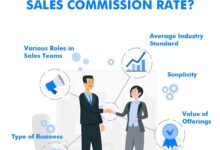
Understanding how you’ll be paid is critical in commission based sales jobs. Companies use various models to balance motivation and profitability.
Base Salary + Commission (Draw Against Commission)
This hybrid model provides a safety net while incentivizing performance. Employees receive a base salary, but commissions are deducted from it until they “pay back” the draw.
- Common in real estate, tech sales, and automotive.
- Reduces financial risk for new hires.
- Can lead to negative balances if sales targets aren’t met.
For example, a sales rep with a $3,000 monthly draw must earn $3,000 in commissions before receiving additional payouts. This structure helps companies manage cash flow while supporting talent development.
Residual and Recurring Commissions
Some commission based sales jobs offer ongoing payments for services that renew automatically, such as SaaS subscriptions or insurance policies.
- Provides long-term income from a single sale.
- Encourages customer retention and satisfaction.
- Common in telecom, insurance, and subscription-based businesses.
A salesperson who sells a $100/month SaaS plan at 10% commission earns $10/month for as long as the client stays. Over three years, that’s $360 from one customer—passive income at its finest.
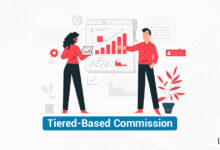
Team-Based and Tiered Commissions
In larger organizations, commission structures may include team incentives or tiered bonuses based on performance levels.
- Tier 1: 5% commission on sales up to $50,000.
- Tier 2: 7% on sales from $50,001 to $100,000.
- Tier 3: 10% on sales above $100,000.
These models reward top performers and encourage goal-setting. Some companies also offer team bonuses when collective targets are met, fostering collaboration.
Pros and Cons of Commission Based Sales Jobs
While many are drawn to the earning potential, it’s vital to weigh the full picture before pursuing commission based sales jobs.
Advantages of Commission Driven Roles
The benefits of commission based sales jobs extend beyond just money. They offer unique opportunities for growth and independence.
- Unlimited Earning Potential: Your income isn’t capped by a salary grade.
- Autonomy: You control your schedule and sales approach.
- Skill Development: You gain expertise in negotiation, communication, and business strategy.
- Entrepreneurial Experience: You operate like a business owner, managing clients and pipelines.
For driven individuals, these roles can lead to financial freedom and career advancement.
Challenges and Risks
Despite the rewards, commission based sales jobs come with significant challenges.
- Income Volatility: Months with low sales mean lower pay.
- No Guaranteed Paycheck: Especially in 100% commission roles.
- High Pressure: Constant need to meet or exceed quotas.
- Limited Benefits: Some roles don’t include health insurance or retirement plans.
A 2022 Gallup study found that only 28% of sales employees are engaged at work, often due to stress and lack of support. Success requires resilience and self-discipline.
How to Find Legitimate Commission Based Sales Jobs
Not all commission based sales jobs are created equal. Some are legitimate career paths; others are disguised as pyramid schemes. Here’s how to spot the real ones.
Red Flags to Watch For
When evaluating a commission based sales job, be alert to warning signs:
- Upfront fees to join or buy inventory.
- Focus on recruiting over selling products.
- Vague commission plans or lack of written contracts.
- Pressure to make quick decisions.
If a company emphasizes earning “thousands overnight” or requires you to pay for training, it’s likely a scam. The FTC advises caution with any opportunity that sounds too good to be true.
Where to Find Reputable Opportunities
Legitimate commission based sales jobs are advertised through trusted channels:
- LinkedIn Jobs and Sales-Specific Platforms (e.g., RepVue).
- Company Career Pages (e.g., Salesforce, Oracle, State Farm).
- Industry Job Boards (e.g., National Association of Sales Professionals).
- Networking and Referrals from Current Sales Professionals.
Always research the company, read employee reviews on Glassdoor, and ask for a detailed commission plan before accepting an offer.
Negotiating Your Commission Plan
Don’t accept the first offer. In commission based sales jobs, your compensation structure is negotiable.
- Ask for a higher commission rate or lower sales quota.
- Negotiate a guaranteed draw period for new hires.
- Request clarity on how commissions are calculated and paid.
A well-negotiated plan can significantly impact your long-term earnings. For example, increasing your commission from 5% to 7% on a $500,000 sales year adds $10,000 to your income.
Future Trends in Commission Based Sales Jobs
The landscape of commission based sales jobs is evolving due to technology, consumer behavior, and workforce expectations.
Rise of Hybrid and Remote Sales Models
Post-pandemic, many commission based sales jobs now offer remote or hybrid work options. This flexibility attracts top talent and reduces overhead.
- Sales teams use Zoom, Slack, and CRM tools to manage clients remotely.
- Geographic limitations are fading—sell to clients nationwide.
- Companies invest in digital onboarding and training.
According to McKinsey, 58% of sales organizations now operate in a hybrid model, blending field and virtual selling.
AI and Automation in Sales
Artificial intelligence is transforming how commission based sales jobs are performed.
- AI-powered tools predict lead quality and suggest next steps.
- Chatbots handle initial inquiries, freeing reps for high-value conversations.
- Data analytics optimize pricing, targeting, and commission forecasting.
While AI won’t replace salespeople, it enhances productivity. Top performers use these tools to close more deals in less time.
Focus on Customer Experience and Retention
Modern commission based sales jobs are shifting from transactional to relational models.
- Commissions increasingly tied to customer satisfaction and renewal rates.
- Sales and customer success teams collaborate more closely.
- Long-term value (LTV) matters more than one-time sales.
Companies like Amazon Business and Shopify reward reps not just for closing, but for ensuring clients stay and grow.
Are commission based sales jobs worth it?
Yes, for self-motivated individuals who enjoy sales and can handle uncertainty. They offer unmatched earning potential and career growth for those willing to put in the work.
Do commission based sales jobs provide benefits?
It depends on the employer. Many full-time roles offer health insurance, retirement plans, and bonuses. Pure commission or independent contractor roles may not.
How much can you earn in commission based sales jobs?
Earnings vary widely. Entry-level roles might average $40,000–$60,000, while top performers in tech or real estate can earn $200,000+ annually. Success depends on skill, industry, and effort.
What skills are needed for commission based sales jobs?
Key skills include communication, negotiation, active listening, resilience, time management, and CRM proficiency. Emotional intelligence and problem-solving are also critical.
Can you work commission based sales jobs remotely?
Yes, many industries now support remote commission based sales jobs, especially in SaaS, insurance, and digital services. Technology enables virtual selling and client management.
Commission based sales jobs are not for everyone, but for those with drive and discipline, they offer a path to financial independence and professional mastery. From real estate to tech, these roles reward performance like no other. By understanding the structures, avoiding scams, and leveraging modern tools, you can thrive in this dynamic field. Whether you’re starting out or looking to level up, the key is consistent effort, smart strategy, and a relentless focus on value creation.
Further Reading:
