Imagine turning every marketing effort into a direct sales engine. That’s the promise of sales based marketing—where strategy meets results in the most profitable way possible.
What Is Sales Based Marketing and Why It Matters

Sales based marketing is not just another buzzword in the digital marketing landscape. It’s a strategic approach that aligns marketing activities directly with sales goals. Unlike traditional marketing, which often focuses on brand awareness or lead generation without immediate conversion, sales based marketing prioritizes measurable revenue outcomes.
Defining Sales Based Marketing
At its core, sales based marketing integrates marketing tactics with the sales funnel to drive conversions. Every campaign, content piece, or advertisement is designed with one goal: to close deals. This doesn’t mean ignoring brand building—it means ensuring that every brand interaction nudges the prospect closer to purchase.
- Focuses on ROI-driven campaigns
- Aligns marketing KPIs with sales metrics
- Uses data to optimize for conversion, not just engagement
According to HubSpot, companies that align sales and marketing see 36% higher customer retention and 38% higher sales win rates (HubSpot Research).
How It Differs from Traditional Marketing
Traditional marketing often operates in silos. Marketing teams run campaigns to generate leads, while sales teams work independently to convert them. This disconnect can lead to wasted resources and missed opportunities.
In contrast, sales based marketing breaks down these silos. Marketing doesn’t just “throw leads over the wall” to sales—it actively supports the sales process with targeted content, lead scoring, and real-time analytics.
“Marketing without sales alignment is like driving with the parking brake on.” — Philip Kotler, Father of Modern Marketing
The Evolution of Sales Driven Marketing
The shift toward sales based marketing has been fueled by data, technology, and changing consumer behavior. With the rise of CRM systems, marketing automation, and AI-driven analytics, businesses can now track customer journeys with precision.
Today’s buyers are more informed and expect personalized experiences. Sales based marketing responds by delivering hyper-relevant content at every stage of the buyer’s journey—increasing conversion rates and shortening sales cycles.
The Core Principles of Sales Based Marketing
To succeed in sales based marketing, organizations must adopt a set of guiding principles that ensure alignment, efficiency, and scalability. These principles form the foundation of any high-performing sales-driven strategy.
1. Sales and Marketing Alignment
Alignment between sales and marketing teams is non-negotiable. This means shared goals, shared metrics, and regular communication. When both teams are on the same page, the customer experience becomes seamless.
Key alignment practices include:
- Joint planning sessions
- Shared dashboards for lead tracking
- Regular feedback loops between reps and marketers
A study by MarketingProfs found that aligned teams are 67% more effective at closing deals (MarketingProfs).
2. Customer-Centric Messaging
Sales based marketing doesn’t push products—it solves problems. The messaging must be tailored to the customer’s pain points, needs, and buying stage.
This requires deep customer research, including:
- Creating detailed buyer personas
- Mapping customer pain points to product benefits
- Using language that resonates with the target audience
For example, instead of saying “Our software has AI features,” a sales based marketing message would say, “Reduce your customer service response time by 70% with AI-powered automation.”
3. Data-Driven Decision Making
Guesswork has no place in sales based marketing. Every decision—from campaign design to lead follow-up—must be backed by data.
Key data sources include:
- CRM analytics (e.g., Salesforce, HubSpot)
- Website behavior tracking (e.g., Google Analytics, Hotjar)
- Sales performance metrics (e.g., conversion rates, average deal size)
By analyzing this data, marketers can identify which channels, messages, and offers generate the highest ROI.
7 Proven Sales Based Marketing Strategies That Work
Now that we understand the foundation, let’s dive into actionable strategies. These seven approaches have been tested across industries and consistently deliver results in sales based marketing.
1. Account-Based Marketing (ABM)
ABM is the ultimate expression of sales based marketing. Instead of casting a wide net, ABM targets high-value accounts with personalized campaigns.
How it works:
- Identify key accounts with high revenue potential
- Develop customized content and outreach for each account
- Engage decision-makers with targeted ads, emails, and events
According to ITSMA, 87% of companies practicing ABM report higher ROI than other marketing investments (ITSMA).
2. Sales Enablement Content
Marketing doesn’t end at lead generation. In sales based marketing, content is created to empower sales teams during customer conversations.
Examples of sales enablement content:
- Customized pitch decks
- Competitive battle cards
- Case studies with measurable results
This content helps sales reps overcome objections, demonstrate value, and close deals faster.
“Enablement content reduces sales cycles by up to 30%.” — CSO Insights
3. Lead Scoring and Qualification
Not all leads are created equal. Sales based marketing uses lead scoring to prioritize prospects based on their likelihood to buy.
Scoring criteria include:
- Demographic fit (job title, company size)
- Behavioral signals (website visits, content downloads)
- Engagement level (email opens, webinar attendance)
High-scoring leads are fast-tracked to sales, while low-scoring leads enter nurturing campaigns.
4. Retargeting Campaigns with Sales Intent
Retargeting is often used for brand recall, but in sales based marketing, it’s a conversion tool. Ads are designed to re-engage visitors who showed buying intent but didn’t convert.
Effective retargeting tactics:
- Dynamic product ads showing previously viewed items
- Special offers for cart abandoners
- Testimonials and social proof to reduce hesitation
According to Criteo, retargeted ads have a 10x higher click-through rate than standard display ads (Criteo).
5. Cold Outreach with Hyper-Personalization
Cold emails and calls still work—if they’re personalized. Sales based marketing uses data to craft messages that feel warm and relevant.
Personalization techniques:
- Mentioning a recent company achievement
- Referencing a mutual connection
- Linking to a relevant case study
Yesware reports that personalized cold emails have a 26% higher open rate and 34% higher reply rate (Yesware).
6. Leveraging Social Proof and Case Studies
Buyers trust peers more than brands. Sales based marketing uses real-world success stories to build credibility.
Best practices:
- Highlight measurable results (e.g., “Increased revenue by 150%”)
- Use video testimonials for emotional impact
- Feature recognizable client logos
A Nielsen study found that 92% of consumers trust earned media (like reviews) over advertising.
7. Closed-Loop Reporting and Optimization
Sales based marketing is iterative. Closed-loop reporting tracks leads from first touch to final sale, revealing which marketing efforts actually drive revenue.
Steps to implement:
- Integrate marketing automation with CRM
- Tag all campaigns with UTM parameters
- Regularly review which channels, messages, and offers convert best
This feedback loop allows marketers to double down on what works and eliminate waste.
Tools and Technologies for Sales Based Marketing Success
No strategy works without the right tools. The modern sales based marketing stack combines automation, analytics, and communication platforms to maximize efficiency.
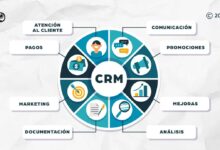
CRM Systems: The Backbone of Alignment
A robust CRM like Salesforce or HubSpot is essential. It serves as a single source of truth for customer data, lead status, and sales activity.
Key CRM functions in sales based marketing:
- Lead tracking and assignment
- Automated follow-up workflows
- Performance reporting across teams
With CRM integration, marketing can see which campaigns generate pipeline, and sales can access rich lead context.
Marketing Automation Platforms
Tools like Marketo, Pardot, or ActiveCampaign automate repetitive tasks while delivering personalized experiences.
Use cases:
- Drip email campaigns based on behavior
- Lead nurturing sequences
- Scoring and segmentation
Automation ensures no lead falls through the cracks and frees up time for strategic work.
Analytics and Attribution Tools
Understanding what drives sales requires advanced analytics. Google Analytics 4, Mixpanel, or Bizible help attribute revenue to specific marketing efforts.
Multi-touch attribution models show how different channels contribute to a sale, enabling smarter budget allocation.
“Companies using marketing attribution see 15-20% higher marketing ROI.” — McKinsey & Company
Common Challenges in Sales Based Marketing (And How to Overcome Them)
Despite its benefits, sales based marketing isn’t without hurdles. Recognizing these challenges early can prevent costly mistakes.
Siloed Teams and Poor Communication
One of the biggest barriers is misalignment between sales and marketing. Each team may have different goals, tools, or definitions of a “qualified lead.”
Solutions:
- Establish a Service Level Agreement (SLA) between teams
- Hold weekly sync meetings
- Create shared KPIs (e.g., number of sales-accepted leads)
Transparency builds trust and ensures both teams are rowing in the same direction.
Over-Reliance on Short-Term Tactics
Sales based marketing focuses on revenue, but that shouldn’t come at the expense of long-term brand equity. Over-prioritizing quick wins can damage customer trust.
Balance is key. Combine short-term conversion tactics with long-term brand storytelling. For example, use case studies (sales-focused) alongside educational content (brand-focused).
Data Quality and Integration Issues
Poor data quality—duplicate records, outdated info, missing fields—undermines lead scoring and targeting.
Best practices:
- Implement data validation rules in forms
- Regularly clean CRM databases
- Use tools like Clearbit or ZoomInfo for enrichment
High-quality data ensures marketing efforts reach the right people with the right message.
Measuring the Success of Sales Based Marketing
You can’t improve what you don’t measure. In sales based marketing, success is defined by revenue impact, not vanity metrics.
Key Performance Indicators (KPIs)
Track these metrics to evaluate performance:
- Marketing-Originated Revenue: % of sales influenced by marketing
- Cost Per Acquisition (CPA): Total marketing spend divided by number of customers acquired
- Lead-to-Customer Conversion Rate: How many leads become paying customers
- Sales Cycle Length: Time from first contact to close
These KPIs provide a clear picture of marketing’s contribution to the bottom line.
ROI Calculation for Sales Based Marketing
ROI = (Revenue Generated – Marketing Cost) / Marketing Cost
For example, if a campaign costs $10,000 and generates $50,000 in sales, the ROI is 400%.
Regular ROI analysis helps justify budgets and optimize future campaigns.
A/B Testing and Continuous Improvement
Even the best strategies can be improved. A/B testing allows marketers to experiment with different messages, offers, and channels.
Test variables include:
- Email subject lines
- Landing page designs
- Call-to-action wording
Small tweaks can lead to significant gains in conversion rates.
Real-World Examples of Sales Based Marketing in Action
Theory is important, but real-world results speak louder. Let’s look at how companies have successfully implemented sales based marketing.
Example 1: HubSpot’s Inbound + Sales Alignment
HubSpot built its entire business on aligning marketing and sales. Their inbound methodology generates leads through valuable content, then nurtures them with automated workflows.
Sales reps receive detailed lead intelligence, including content engagement history, allowing for highly personalized outreach.
Result: HubSpot reports that aligned teams close deals 30% faster.
Example 2: Salesforce’s ABM Strategy
Salesforce uses account-based marketing to target enterprise clients. They create custom landing pages, host exclusive events, and run LinkedIn ad campaigns tailored to specific accounts.
Each campaign is measured by pipeline generated and deal size, not just impressions.
Result: Salesforce saw a 40% increase in deal size from ABM-targeted accounts.
Example 3: Dropbox’s Freemium to Paid Conversion
Dropbox uses sales based marketing to convert free users into paying customers. They track user behavior (e.g., file sharing frequency) and trigger targeted emails with upgrade offers.
Content highlights advanced features like admin controls and security—addressing business pain points.
Result: Increased paid conversion rate by 25% within six months.
What is sales based marketing?
Sales based marketing is a strategic approach where marketing efforts are directly aligned with sales goals to drive measurable revenue. It focuses on conversion, lead quality, and ROI rather than just brand awareness or lead volume.
How does sales based marketing differ from traditional marketing?
Traditional marketing often prioritizes broad reach and engagement, while sales based marketing focuses on targeted, revenue-generating activities. It integrates closely with the sales team, uses data to optimize for conversion, and measures success by sales outcomes.
What are the key tools for sales based marketing?
Essential tools include CRM systems (e.g., Salesforce, HubSpot), marketing automation platforms (e.g., Marketo, Pardot), and analytics tools (e.g., Google Analytics, Bizible). These enable alignment, personalization, and performance tracking.
Can small businesses use sales based marketing?
Absolutely. Small businesses can apply sales based marketing by focusing on high-value customers, using affordable CRM tools, and creating targeted campaigns. The principles scale regardless of company size.
How do you measure the success of sales based marketing?
Success is measured through KPIs like marketing-originated revenue, lead-to-customer conversion rate, cost per acquisition, and sales cycle length. Closed-loop reporting ensures accurate attribution of sales to marketing efforts.
Sales based marketing is more than a tactic—it’s a mindset. By aligning marketing with sales, leveraging data, and focusing on revenue, businesses can create a powerful growth engine. The strategies outlined—ABM, lead scoring, sales enablement, and closed-loop reporting—are proven to deliver results. The key is consistency, collaboration, and continuous optimization. When done right, sales based marketing doesn’t just generate leads; it generates profit.
Further Reading:
